
Clinical-stage CNS therapeutics
Modern Medicinesfor Brain Disorders
Precision small-molecule programs for neuropsychiatric disease and brain injury.
Our focus
A precision era in neuroscience
The functional organization of the human brain in health and disease is being revealed in unprecedented detail through advanced imaging, cell biology, genetics, and computational science.
A worldwide research effort is deepening our understanding of how 100 billion neurons, their support cells, and trillions of synapses govern cognition, behavior, mood, and recovery.
ProCognivera was founded to turn this fundamental progress into a new generation of brain medicines.
Company
A focused CNS therapeutics company
ProCognivera is developing potent new small-molecule therapeutics for complex neuropsychiatric diseases and brain injuries.
We accelerate CNS drug discovery by combining computational intelligence with advanced medicinal chemistry and exceptional clinical insights.
Our lead drug candidate, PCV-015, is in Phase II development for dementia-related behavioral distress.
Our PipelineDrug candidates for brain diseases and injuries
View pipeline →*Phase II efficacy trial underway outside the United States.

PCV-015 for Dementia-Related Behavioral Distress
Most people with dementia eventually develop behavioral and psychological symptoms (BPSD), including psychosis, aggression, agitation, and disrupted sleep. Managing these symptoms exhausts families and caregivers, driving the patient's early institutionalization.
Because no medicine is approved for BPSD, physicians rely on off-label drugs with serious risks for the elderly, including sedation, falls, motor impairment, and mortality. Dementia affects 7 million people in the United States and over 100 million worldwide, making BPSD one of the largest unresolved problems in dementia care.
PCV-015 was developed to overcome these clinical limitations. Currently in Phase II trials, this orally bioavailable, brain-penetrant small molecule is being developed to treat distressing symptoms of BPSD. FDA approval of this safe and effective drug would represent a fundamentally new and important advance in preserving the dignity and independence of patients with dementia.

PCV-25 for Treatment-Resistant Depression
Severe treatment-resistant depression is marked by persistent depressed mood, loss of interest or pleasure, sleep disturbance, reduced energy, impaired concentration, and loss of function. For many patients, symptoms continue after multiple courses of medication and disrupt work, relationships, and daily life.
No approved treatment adequately addresses both the depressive syndrome and the cognitive symptoms that can persist after standard therapy. Depression affects more than 21 million American adults each year, and nearly one-third of patients with major depressive disorder are considered treatment-resistant. Treatment-resistant depression costs the United States an estimated $44 billion each year, and affected patients lose substantial work time.
PCV-25 is being developed to treat treatment-resistant depression while also addressing the cognitive symptoms that keep patients from fully recovering. In early studies, the compound produced rapid antidepressant activity while improving memory and concentration.
PCV-109 for Cognitive Recovery After Brain Injury
Stroke, traumatic brain injury, and other forms of neural injury are major causes of long-term disability. Survivors can be left with persistent impairment in memory, attention, learning, planning, and executive function. These deficits can last for years and limit independence, employment, and family roles.
No medicine is approved to restore cognition after stroke or brain injury. More than 795,000 people in the United States have a stroke each year, and millions live with disability after traumatic brain injury. Current care relies on rehabilitation, time, and residual plasticity, leaving a major medical and economic burden without a pharmacologic solution.
PCV-109 is being developed to support cognitive recovery after brain injury through a mechanism that promotes neural plasticity, the brain’s ability to form new connections and relearn. In multiple laboratory models, PCV-109 recovered function lost to injury.

* Phase II efficacy study underway outside the United States.
Information for patients and families →Clinical translation
Designed to become practical CNS medicines
We are developing a new generation of therapeutics for patients living with poorly treated brain injuries and disorders.
Our programs are designed around the demands of real clinical care: brain penetration, oral bioavailability, tolerability, manufacturability, and a clear path to meaningful outcomes.
Company overviewPipeline
Our Pipeline
Drug candidates for brain diseases and injuries
*Phase II efficacy trial underway outside the United States.
PCV-015 for Behavioral and Psychological Symptoms of Dementia
An orally bioavailable, brain-penetrant small molecule in Phase II efficacy testing for the psychosis, agitation, and aggression that accompany dementia. No medicine is approved for this indication.
Learn more →PCV-25 for Treatment-Resistant Depression
A drug candidate developed to treat the depressive syndrome together with the cognitive symptoms that often persist after standard therapy.
Learn more →PCV-109 for Cognitive Recovery After Brain Injury
A drug candidate developed to support recovery of memory, attention, and executive function after stroke or traumatic brain injury, through a mechanism that promotes neural plasticity.
Learn more →Science
Developing Medicines for Brain Disorders
Faulty Cell-to-Cell Signaling Can Give Rise to CNS Diseases
Many brain disorders arise from breakdowns in neural communication. Receptors, synapses, circuits, and supporting brain cells normally work together to regulate thought, memory, emotion, sleep, movement, and behavior. When these systems become unstable, patients may develop cognitive, emotional, or behavioral symptoms that are difficult to treat.
ProCognivera investigates how dysfunction in receptor systems, synapses, and neural circuits contributes to brain disorders. We develop therapeutics that selectively modulate disease-relevant receptors, improving function and quality of life for patients.
Finding Druggable Targets
Drug discovery begins with the identification of druggable targets: receptors, pathways, or cellular processes implicated in disease that a medicine can reach and modulate safely.
We are using modern high-resolution research tools to understand the biology of brain disorders with exceptional depth and clarity. Disease can now be studied at the level of cells, synapses, molecular pathways, and the tissue systems that protect and support neural communication.
One site of special interest to us is the synapse, the specialized junction where neurons exchange information. An electrical impulse reaches the end of one neuron and triggers the release of neurotransmitters into the synaptic cleft. These chemical messengers cross the narrow space between cells and bind to receptors on the receiving neuron. That binding can activate or inhibit the next signal, shift intracellular chemistry, and change the strength of communication between cells.
Because synaptic signaling is fundamental to how the brain processes information, changes in receptor function can alter neurons and neural circuits. When a neurotransmitter released by one neuron binds to a receptor on another, the receiving cell acts as a sophisticated processor. It can amplify the signal, quiet it, prolong it, or prepare the cell for the next message. This molecular handoff adjusts electrical activity and intracellular signaling with remarkable speed and precision. Through this finely regulated exchange, the brain turns chemical and electrical activity into perception, memory, emotion, movement, sleep, and behavior.
Our proprietary target discovery and validation process focuses on disease-relevant receptor systems. We test whether small molecules can selectively engage these targets, modulate their signaling, and produce therapeutic effects while leaving neighboring receptors untouched.
From Targets to Drug Candidates
Once a target is selected, chemistry determines whether it can become a medicine. A promising CNS drug candidate must bind the intended target, enter the brain, reach useful exposure, and remain tolerable at therapeutic doses. AI-assisted methods combined with medicinal chemistry approaches were central to the discovery of our drug candidates, which are all proprietary new chemical entities.
Each drug candidate emerging from our discovery program is characterized in preclinical studies. Compounds are studied for receptor activity, brain penetration, pharmacokinetics, safety, and early signs of therapeutic effect. The goal is to identify candidates with enough biological activity and tolerability to justify clinical development.
In human tests, the goal is to determine whether a candidate is safe, tolerable, and active enough to advance into larger clinical trials. Our lead drug candidate, PCV-015, has completed this stage and is now in Phase II. Following successful completion of Phase II and the Phase III trials that follow, we will file a New Drug Application seeking FDA approval.
Global Development and U.S. Regulatory Review
CNS drug development is international. Nine of the ten most-prescribed antipsychotics in the United States have foreign origins, and one of the highest-grossing branded antipsychotics was discovered in Hungary. The U.S. regulatory path for foreign-origin medicines is established, with FDA review covering product quality, toxicology, clinical design, safety monitoring, and efficacy.
For ProCognivera, international development experience helps de-risk and guide the U.S. path. FDA-aligned studies, manufacturing, and regulatory work are the steps that turn a foreign-origin candidate into a medicine for U.S. patients.
Drug Candidate
PCV-015 for Behavioral and Psychological Symptoms of Dementia (BPSD)
A clinical-stage drug candidate for agitation, impulsivity, aggression, and psychosis in dementia
Dementia and BPSD
Dementia is a broad term for a decline in brain function severe enough to interfere with daily life. It usually develops gradually and affects older adults. Dementia is caused by diseases or injuries that damage the brain. In older adults, more than one disease process may affect the brain at the same time.
As dementia advances, many patients develop behavioral and psychological symptoms of dementia, or BPSD. These can include aggressiveness, impulsivity, and agitation. BPSD can also include psychosis, hallucinations, and delusions. Other patients may develop sleep disturbance, wandering, or severe anxiety.
There is no approved treatment for BPSD. There is no approved medicine for the combined dementia problem of psychosis and impulsivity; aggression and agitation; or unsafe resistance to help.
These symptoms can make home life unsafe and exhausting. They can also lead to urgent medical intervention or institutionalization. For many patients, the goal is to remain calm and safe enough to receive attentive care from people who know them. That may mean family members or long-term caregivers in familiar settings.
Alzheimer’s disease is the most common cause of dementia. In 2026, an estimated 7.4 million Americans aged 65 and older are living with clinical Alzheimer’s dementia. Vascular brain injury is another major cause and often overlaps with Alzheimer’s disease in older patients. Lewy body dementia affects more than 1 million people in the United States. Parkinson’s disease can also progress to dementia, most often after many years of motor symptoms.
Modern diagnosis
In modern clinical settings, diagnosis begins with cognitive testing and neurological examination. Brain imaging and laboratory studies help identify the cause and rule out conditions that can mimic dementia.
MRI can show brain atrophy, vascular injury, or other structural causes. When Alzheimer’s disease is suspected, amyloid and tau can now be assessed using PET imaging, cerebrospinal fluid testing, or newer blood-based biomarkers.
These tools help physicians identify the underlying disease and follow progression more directly. They also help determine whether a patient may be eligible for disease-modifying therapy.
Treatment and unmet need
There is no approved treatment for BPSD.
This leaves families and clinicians managing the most dangerous symptoms with limited tools. The need is stark because BPSD is not one isolated behavior. It is a combined syndrome that can include psychosis and impulsivity; aggression and agitation; or unsafe resistance to help.
Many antipsychotic drugs were developed for younger psychiatric patients, not for frail adults with progressive neurodegenerative disease. They were not designed to treat the full behavioral syndrome seen in dementia. They also carry serious safety concerns in dementia-related psychosis.
Antipsychotic labeling includes a boxed warning for increased mortality in elderly patients with dementia-related psychosis. The risks include sedation, falls, and stroke. Pneumonia and death are also major concerns. Stiffness and low blood pressure can make daily support more dangerous.
A large 2024 BMJ study found that antipsychotic use in adults with dementia was associated with increased risks of stroke, fracture, and pneumonia. The same study also reported increased risks of acute kidney injury and other serious outcomes. This is why the need is not simply for stronger sedation. The need is for better behavioral control with better tolerability.
Cost burden
As of June 2026, a USC-led analysis estimated this year’s U.S. cost of Alzheimer’s disease and related dementias at $818 billion. The estimate includes medical costs and long-term services. It also includes unpaid family care, lost earnings, and reduced quality of life.
Much of the burden falls on families trying to keep patients safe in familiar surroundings. BPSD increases that burden because it can turn ordinary supervision into constant vigilance. Nights become unsafe. Caregivers lose sleep. Patients may be moved away from familiar people because behavior has become too dangerous to manage.
PCV-015
PCV-015 is ProCognivera’s proprietary drug candidate for BPSD.
The compound is orally bioavailable and has prior human safety experience. It is designed for selective CNS activity with the goal of supporting behavioral control while limiting the movement impairment and other tolerability problems that complicate treatment in older patients.
PCV-015 is being studied outside the United States in a Phase II efficacy trial. ProCognivera is planning to accelerate development through U.S. clinical trials and FDA review.
The goal is behavioral control without erasing the patient. A successful medicine in this setting should help reduce aggression, impulsivity, and agitation. It should also help reduce psychosis and dangerous resistance to help while preserving dignity, wakefulness, and mobility.
For caregivers, success means more than a symptom score. It means safer nights, less fear, better sleep, and more time with the patient in a setting that still feels human.
Support and information for families
Dementia and its behavioral symptoms
Dementia is a loss of memory, thinking, and reasoning severe enough to interfere with daily life. Most people living with dementia also develop behavioral and psychological symptoms, which may include agitation, aggression, suspicion, hallucinations, and disturbed sleep. These symptoms are often the hardest part of the illness for families to manage.
Alzheimer's Association — information, a 24/7 helpline, and local caregiver support
National Institute on Aging — evidence-based information from the National Institutes of Health
Alzheimers.gov — the federal hub for dementia information and clinical trials
Alzheimer's Foundation of America — caregiver support and free memory screenings
Lewy Body Dementia Association — for families affected by Lewy body dementia
Questions about your own care, or the care of a family member, are best discussed with a treating physician.
Selected sources: Alzheimer’s Association Facts and Figures, 2026; USC Schaeffer Center dementia cost analysis, June 2026; BMJ antipsychotic safety study in dementia, 2024; National Institute on Aging material on Lewy body dementia; recent reviews on BPSD and dementia psychosis.
Drug Candidate
PCV-25 for Treatment-Resistant Depression
A preclinical candidate for persistent and difficult-to-treat depression
Treatment-resistant depression
About 21 million adults in the United States [>300M worldwide] are affected by major depressive disorder. Many patients are adolescents, young adults, or working-age adults. Persistent depression can disrupt school, work, and family life. It can also affect long-term independence.
Some patients recover with standard treatment. Others remain symptomatic despite repeated treatment attempts. Treatment-resistant depression is commonly used to describe major depressive disorder that does not improve enough after at least two adequate treatment attempts.
Patients may continue to experience loss of interest, fatigue, or impaired concentration. Some also have slowed thinking, poor sleep, or low motivation. Persistent depression can affect safety, relationships, and family stability. It is also a major public-health and economic burden because depression is a leading cause of disability worldwide.
Why better treatments are needed
There is no approved treatment that reliably produces fast, complete, and durable recovery in treatment-resistant depression.
Current treatment often involves switching medicines, adding another drug, or using device-based treatment. Psychotherapy and hospital-based care may also be needed. Some patients benefit. Many do not recover fully. Others remain limited by delayed improvement or partial response. Relapse and tolerability problems can also limit treatment.
This creates a major need for new treatments that work through different biological targets and may act faster than conventional treatment pathways.
Modern depression science
Depression is increasingly understood as a disorder of brain circuits rather than a single chemical imbalance. Modern imaging and biomarker studies have expanded this view. Clinical studies also show changes in systems involved in reward processing, stress response, and cognitive control. Sleep and attention are also important because they shape daily function and treatment response.
In treatment-resistant depression, several biological processes may remain impaired after standard therapy. These include synaptic plasticity, inflammatory signaling, and circuit connectivity. Recent work on rapid-acting antidepressant approaches has increased interest in synaptic remodeling and circuit recovery.
The goal is not only to improve mood. The goal is to restore motivation and thinking. It is also to improve energy and daily function in patients who remain disabled by depression.
PCV-25
PCV-25 is ProCognivera’s proprietary small-molecule compound for treatment-resistant depression.
The compound is being developed around a novel target approach intended to produce faster antidepressant activity than conventional treatment pathways. Faster onset could be a major driver of clinical and commercial interest because many patients with treatment-resistant depression remain symptomatic while therapies are changed or added.
PCV-25 is being developed for patients who need more complete and durable improvement than current treatment pathways often provide. The broader goal is to restore motivation, thinking, and energy so patients can recover more daily function.
Support and information for families
Depression and treatment-resistant depression
Major depression is a persistent low mood with loss of interest, disturbed sleep, low energy, and difficulty concentrating. When symptoms continue after adequate trials of two or more medications, the illness is described as treatment-resistant. Cognitive symptoms such as poor memory and concentration often persist even as mood improves.
National Institute of Mental Health — signs, symptoms, and treatment options
NAMI — the National Alliance on Mental Illness, with a free helpline and local support groups
Depression and Bipolar Support Alliance — peer-led support groups, in person and online
If you or someone you know is in crisis, the 988 Suicide & Crisis Lifeline can be reached by calling or texting 988, or online at 988lifeline.org.
Questions about your own care, or the care of a family member, are best discussed with a treating physician.
Drug Candidate
PCV-109 for Cognitive Recovery After Brain Injury
A preclinical candidate for restoring cognitive function after stroke or brain injury
Cognitive recovery after stroke or brain injury
Stroke affects about 7.8 million adults in the United States [93.8M worldwide]. Traumatic brain injury accounts for more than 200,000 U.S. hospitalizations each year, with about 69 million cases worldwide annually.
Many patients survive the acute injury but continue to have problems with memory, attention, or planning. Others have difficulty with language or daily function. Cognitive disability can affect work, education, and driving. It can also limit independence. Some patients look physically recovered but still struggle with concentration, judgment, or fatigue.
The treatment gap
There is no approved medicine that restores lost cognition after stroke or traumatic brain injury.
Current care relies mainly on rehabilitation, adaptation, and time. Rehabilitation can help patients practice skills and build compensatory strategies. It does not directly restore the neural communication needed for normal cognition.
This leaves a major gap for patients who survive brain injury but remain unable to return fully to work, school, or family responsibilities. Many also remain limited in independent living.
Modern recovery science
The aim of modern recovery science is to study how surviving brain circuits respond after stroke or traumatic brain injury. A central focus is neural plasticity, the brain’s ability to reorganize connections after injury. The key question is whether surviving circuits can stabilize, reconnect, and support useful cognition again.
Using diffusion MRI, neurobiologists have identified damage to white-matter pathways after stroke or traumatic brain injury. These pathways connect distant brain regions. Their disruption can impair memory, attention, and planning. It can also affect language.
Functional MRI studies have shown abnormal communication within attention and memory networks. They have also identified changes in executive-control and salience networks. PET imaging has measured changes in brain metabolism after injury. It has also been used to study neuroinflammation and neurotransmitter systems.
Blood and cerebrospinal fluid biomarkers have helped quantify axonal injury and neuronal damage. They have also tracked astrocyte activation and inflammatory activity. Single-cell and transcriptomic studies have revealed repair-phase changes in neurons and glia. They have also shown changes in immune and vascular cells.
Together, these methods show that recovery is an active biological process. Neural plasticity may help surviving circuits strengthen useful connections. Inflammation, vascular injury, or unstable signaling may limit recovery. The scientific goal is to shift the balance toward repair and stable communication.
PCV-109
PCV-109 is ProCognivera’s proprietary small-molecule compound for cognitive recovery after stroke or brain injury.
The compound is being developed to support neural plasticity, the brain’s capacity to reorganize useful connections after injury. This approach is aimed at patients who survive the acute event but continue to live with impaired memory or attention. Some also have problems with planning or daily function.
PCV-109 is designed for the recovery phase, when surviving circuits may still be capable of repair and adaptation. The therapeutic goal is to improve the biological conditions that allow those circuits to stabilize, communicate more effectively, and support better cognitive function.
For patients and families, successful cognitive recovery can mean more independence, clearer thinking, and a greater chance of returning to ordinary life after brain injury.
Support and information for families
Stroke and traumatic brain injury
Stroke and traumatic brain injury are leading causes of long-term disability. Survivors are frequently left with lasting difficulty in memory, attention, learning, and executive function. Recovery today depends on rehabilitation, time, and the brain's own capacity for plasticity.
American Stroke Association — a division of the American Heart Association, with survivor and caregiver support
National Institute of Neurological Disorders and Stroke — information on brain injury from the National Institutes of Health
Brain Injury Association of America — a national help line and state affiliates
Questions about your own care, or the care of a family member, are best discussed with a treating physician.
Patients & Caregivers
Information for Patients and Families
ProCognivera is developing three new medicines for conditions that today have few good options: the behavioral and psychological symptoms of dementia, treatment-resistant depression, and cognitive recovery after stroke or brain injury. Each is a novel chemical entity in laboratory and clinical testing. None is approved by the FDA or available by prescription. We will announce here when new clinical trials begin.
Questions about your own care, or the care of a family member, are best discussed with a treating physician.
Learning more about these conditions
The organizations below are independent and provide information, helplines, and caregiver support at no cost.
Dementia and its behavioral symptoms
Dementia is a loss of memory, thinking, and reasoning severe enough to interfere with daily life. Most people living with dementia also develop behavioral and psychological symptoms, which may include agitation, aggression, suspicion, hallucinations, and disturbed sleep. These symptoms are often the hardest part of the illness for families to manage.
Alzheimer's Association — information, a 24/7 helpline, and local caregiver support
National Institute on Aging — evidence-based information from the National Institutes of Health
Alzheimers.gov — the federal hub for dementia information and clinical trials
Alzheimer's Foundation of America — caregiver support and free memory screenings
Lewy Body Dementia Association — for families affected by Lewy body dementia
Depression and treatment-resistant depression
Major depression is a persistent low mood with loss of interest, disturbed sleep, low energy, and difficulty concentrating. When symptoms continue after adequate trials of two or more medications, the illness is described as treatment-resistant. Cognitive symptoms such as poor memory and concentration often persist even as mood improves.
National Institute of Mental Health — signs, symptoms, and treatment options
NAMI — the National Alliance on Mental Illness, with a free helpline and local support groups
Depression and Bipolar Support Alliance — peer-led support groups, in person and online
If you or someone you know is in crisis, the 988 Suicide & Crisis Lifeline can be reached by calling or texting 988, or online at 988lifeline.org.
Stroke and traumatic brain injury
Stroke and traumatic brain injury are leading causes of long-term disability. Survivors are frequently left with lasting difficulty in memory, attention, learning, and executive function. Recovery today depends on rehabilitation, time, and the brain's own capacity for plasticity.
American Stroke Association — a division of the American Heart Association, with survivor and caregiver support
National Institute of Neurological Disorders and Stroke — information on brain injury from the National Institutes of Health
Brain Injury Association of America — a national help line and state affiliates
Our Science section describes the biology behind our compounds, and our Pipeline shows where each drug candidate stands.
Company
Leadership
Executive Leadership
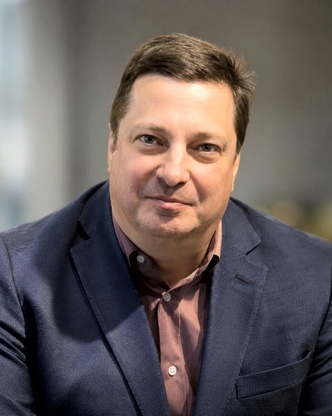
Sergey Bushnev, MD
Founder, Chairman, and Chief Medical Officer
Dr. Bushnev is a physician-entrepreneur with more than twenty years of experience in clinical medicine, biotechnology, and medical-device development. He helped establish three CNS-focused biopharmaceutical companies that progressed through clinical and corporate development to defined milestones and liquidity outcomes, and played a key role in building Nutriband Inc. (NASDAQ: NTRB), contributing to the development of abuse-deterrent and transdermal drug-delivery technologies. He managed clinical-development programs from concept through clinical validation, led regulatory strategy and agency engagement, and developed partnerships supporting advancement of drug candidates. In Florida, he worked with the University of Central Florida and Florida Hospital (now AdventHealth Orlando) on initiatives combining patient care with new medical technologies.

Nilabh Chaudhary, PhD
Chief Executive Officer
Dr. Chaudhary is a biochemist and biotechnology executive with more than twenty-five years of experience in drug development and company formation. He held progressively senior roles in drug delivery research at RPI (founded by Nobel Laureate Tom Cech; later renamed Sirna Therapeutics and acquired by Merck for $1.1 billion), and served as CEO of university spin-out companies from the Cleveland Clinic, the University of Central Florida, and the University of Illinois. He directed preclinical and translational programs in neurological, oncologic, viral, and inflammatory diseases and led research collaborations with Schering/Berlex, Roche, AstraZeneca, and Aventis. After completing his PhD in Canada, he was awarded the Damon Runyon Cancer Research Award to train in cell biology with Nobel Laureate Günter Blobel at Rockefeller University. He holds multiple U.S. and international patents in nucleic acid and drug delivery.
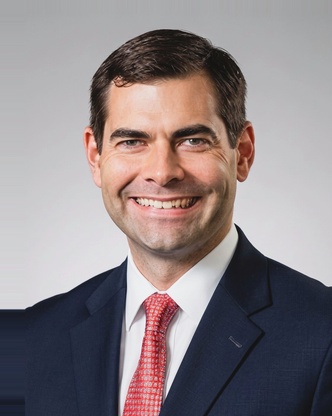
Jon Rinehart, JD/MBA
General Counsel and Chief Operating Officer
Mr. Rinehart is a life sciences executive with more than fifteen years of experience in corporate law, finance, and operations. Prior to joining ProCognivera, he served as Chief Financial Officer and General Counsel at Innovative Surgical Designs, a venture-backed medical device company, where he led more than $9 million in equity financing and directed investor due diligence, financial modeling, and legal documentation. He also served as Chief Operating Officer of IHC LLC, where he structured healthcare joint ventures, and co-founded and led Spinicity as President through a successful exit. He holds a JD/MBA in Finance from Indiana University's Maurer School of Law and Kelley School of Business, a Master's in Accountancy from the University of Illinois at Springfield, and a Bachelor's in Economics from Illinois at Urbana-Champaign. He is licensed to practice law in the District of Columbia.
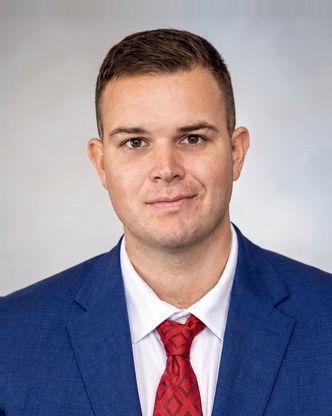
Vlad Grant, CPA, JD, LLM
Chief Financial Officer
Mr. Grant is a finance and legal executive with more than a decade of experience in corporate finance, tax structuring, and compliance for growth-stage companies. He is a Certified Public Accountant and holds a Juris Doctor and an LL.M. in Taxation from the University of Florida Levin College of Law. He has held senior roles overseeing financial operations, entity structuring, and capital planning for privately held companies and complex corporate groups, including budgeting for R&D-intensive organizations, managing audits and controls, and supporting equity financings.
Co-Founders and Scientific Advisory Board

Margarita Morozova, MD, PhD, Dr. Med. Sci.
Co-Founder and Scientific Advisory Board Member
Dr. Morozova is a psychiatrist and psychopharmacology leader with more than twenty years of experience directing clinical research programs in CNS therapeutics. She has served as Principal Investigator on more than 90 multicenter international clinical trials of novel psychotropic compounds, spanning antipsychotics, antidepressants, anxiolytics, and cognitive enhancers. Her published work on neuroinflammation and cognitive decline has guided therapeutic approaches, and she collaborated with leading European centers on behavioral-pharmacology research. She has authored more than 130 publications and holds more than 15 patents in psychopharmacology.

Allan Beniashvili, MD, PhD
Co-Founder and Scientific Advisory Board Member
Dr. Beniashvili is a clinician-scientist trained in neuropharmacology and clinical research, with extensive experience in international CNS trials including multiple Phase III and Phase IV development programs. He directed multicenter studies in schizophrenia and dementia and contributed to receptor-mapping work that clarified mechanisms underlying atypical antipsychotic selectivity. He co-authored more than 50 peer-reviewed publications spanning schizophrenia, somatoform disorders, cognition, and serotonergic pharmacology, and is a co-inventor on patents in the field.

Maxim Zapolskiy, MSci
Co-Founder and Scientific Advisory Board Member
Mr. Zapolskiy is a medicinal chemist and biotechnology entrepreneur with extensive experience in small-molecule synthesis, analytical method development, and GMP process scale-up. After research in organic synthesis and medicinal chemistry at the Chemical Faculty of Moscow State University, he held senior commercial and business leadership roles at GlaxoWellcome, Eli Lilly (Neuroscience), and Torrent Pharmaceuticals. He directed analytical and formulation development for CNS compounds that advanced into clinical trials, led chemistry teams supporting IND submissions, and managed technology transfer between U.S. and European facilities. He is a co-founder and managing partner of Valentech Ltd. and QMPharma Ltd.
Investors & Media
Why ProCognivera
ProCognivera is developing three proprietary drug candidates for neuropsychiatric disease and brain injury. Each is a novel chemical entity, discovered and optimized in our own programs, and each is advancing through laboratory and clinical testing. One is in Phase II. Two are in advanced preclinical development. All three are directed at conditions where a first approved medicine would change how patients are treated.
PCV-015, in Phase II for dementia-related behavioral distress
Dementia affects approximately 7 million people in the United States and more than 100 million worldwide, and the great majority develop behavioral and psychological symptoms over the course of the illness. These symptoms shape the daily experience of patients and families more than any other feature of the disease, and they are the reason most families turn to residential care. A medicine designed for this population, with the receptor selectivity to work in an elderly brain, would occupy a first position in a very large market.
PCV-015 is an orally bioavailable, brain-penetrant small molecule designed for exactly that purpose. It is a novel chemical entity, and it is in Phase II efficacy testing outside the United States, supported by earlier clinical work that established its dose range and tolerability.
PCV-25, in advanced preclinical development for treatment-resistant depression
Depression affects more than 21 million American adults each year, and nearly one-third of patients with major depressive disorder continue to look for a treatment that works for them. Cognitive symptoms, including difficulty with memory and concentration, frequently persist even as mood improves, and patients place a high value on regaining them.
PCV-25 is a novel chemical entity designed to treat the depressive syndrome and the accompanying cognitive symptoms together. In laboratory studies it produced rapid antidepressant activity alongside improvement in memory and concentration. It is advancing through preclinical testing toward clinical development.
PCV-109, in preclinical development for cognitive recovery after brain injury
Approximately 7.8 million American adults live with the effects of stroke, and traumatic brain injury accounts for roughly 2.8 million cases in the United States each year. Recovery today depends on rehabilitation, time, and the brain's own capacity for plasticity. A medicine that amplifies that capacity would open a new category of care.
PCV-109 is a novel chemical entity designed to promote neural plasticity, the brain's ability to form new connections and relearn. In multiple laboratory models it recovered function lost to injury. It is advancing through preclinical testing.
Intellectual property
All three compounds are proprietary to ProCognivera and are protected by issued patents and pending claims in the United States and internationally.
Where we are
News
ProCognivera Biosciences Advances Lead Drug Candidate PCV-015 for Dementia-Related Behavioral Distress
ProCognivera Biosciences is a clinical-stage biotechnology company developing small-molecule therapeutics for behavior, depression, memory, and cognitive recovery.
The company's lead drug candidate, PCV-015, is in Phase II clinical development for dementia-related behavioral distress. ProCognivera's pipeline also includes preclinical CNS compounds for treatment-resistant depression and cognitive recovery.
ProCognivera will announce the start of new clinical trials, along with publications and conference presentations, on this page.
Contact
Investor and media inquiries may be directed to Nilabh Chaudhary, PhD, Chief Executive Officer.
nc@pcvbio.com
+1 513-237-9736
Contact
Get in Touch
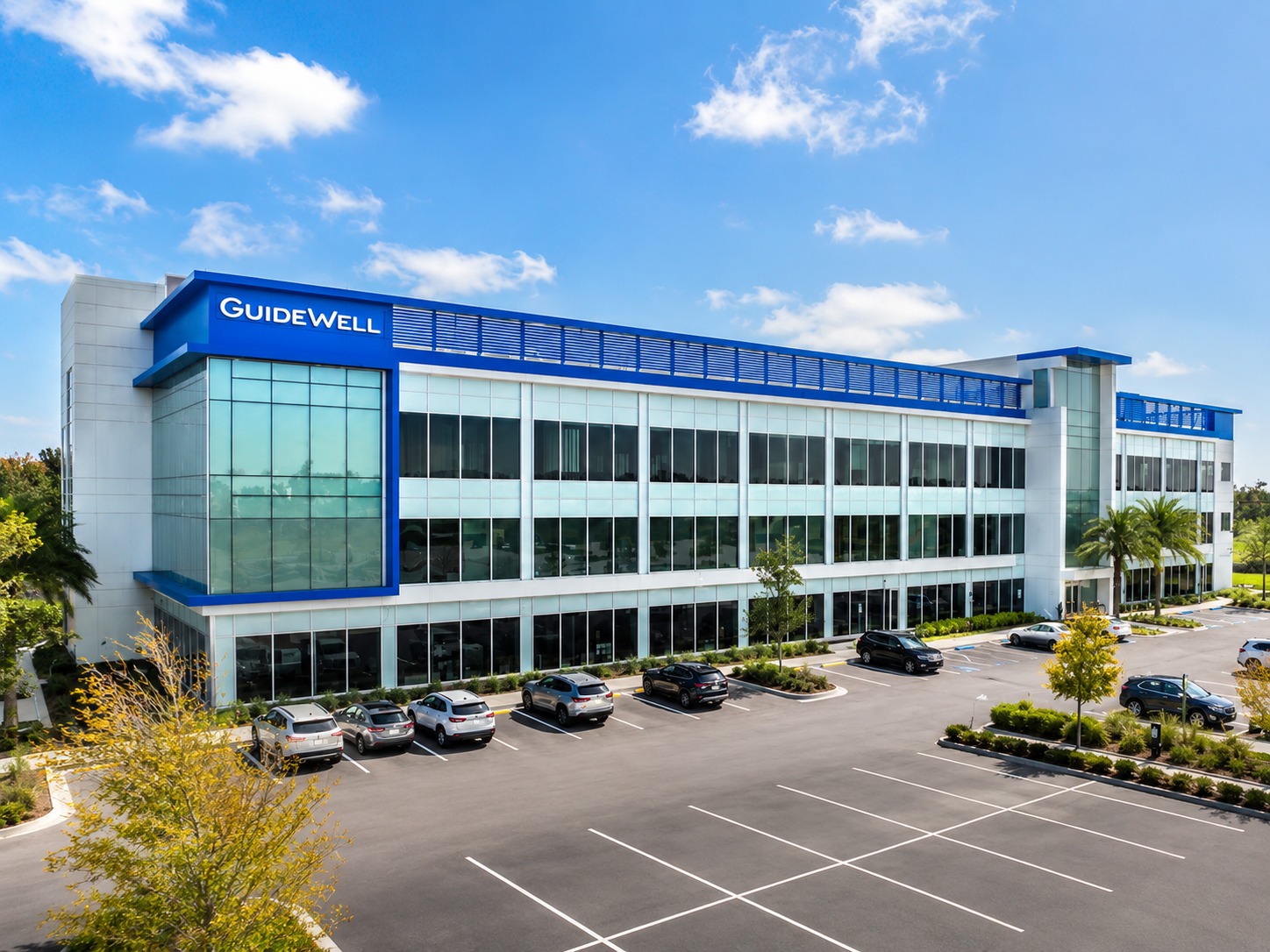
Corporate Office
ProCognivera Biosciences
6555 Sanger Road
Orlando, FL 32827
info@pcvbio.com
+1 513-237-9736
Media and Investors
Investor and media inquiries are handled through Investors & Media.
Privacy
Privacy Notice
Overview
ProCognivera Biosciences uses this website to provide information about the company, its research programs, and ways to contact the company. This website is not intended to collect medical information, provide medical advice, or receive confidential patient information.
Information We Receive
If you contact us by email or phone, we may receive your name, email address, phone number, organization, and the content of your message. We use that information only to respond to your inquiry and maintain ordinary business records.
Website Data
The website may generate standard technical information such as browser type, device type, pages visited, approximate location derived from network information, and date and time of access. This information is used to maintain, secure, and improve the website.
How We Use Information
We use information to respond to inquiries, operate the website, protect website security, and support ordinary company communications. We do not sell personal information.
Contact
Questions about this notice may be directed to info@pcvbio.com.